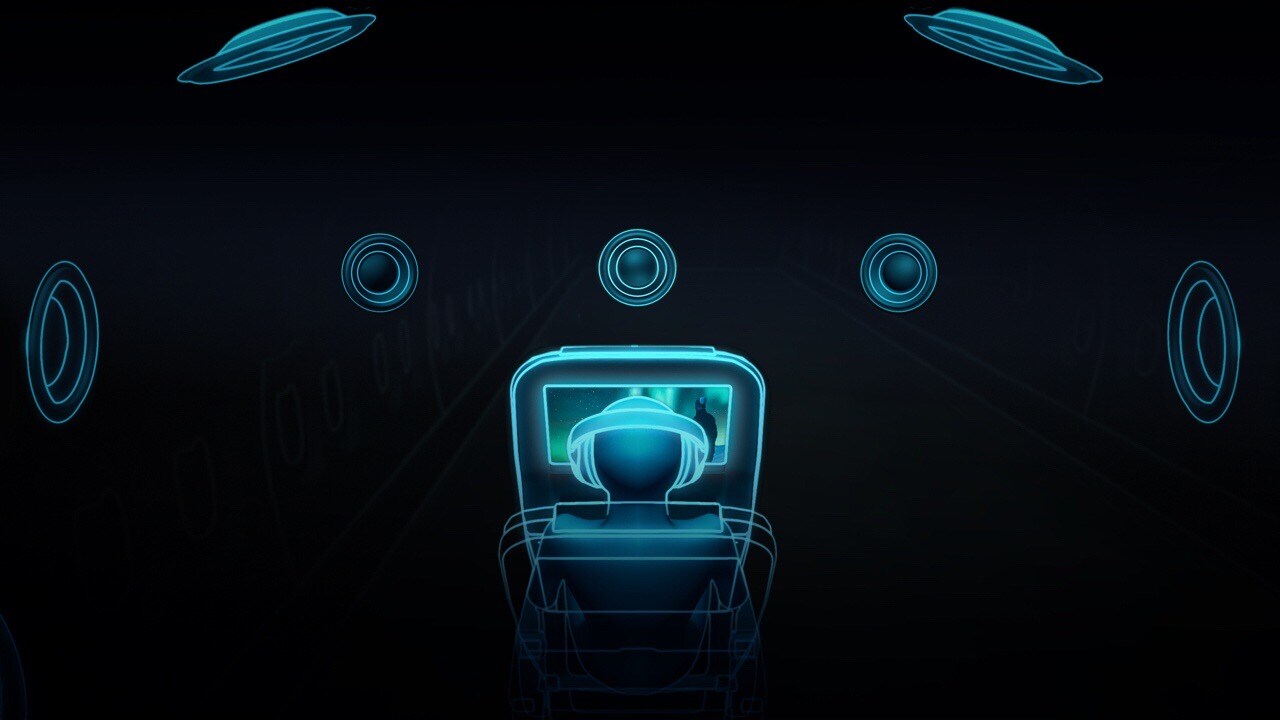
Understanding Spatial Audio: How It Transforms Your Listening Experience
Understanding Spatial Audio marks a significant advancement in our auditory experiences, revolutionizing the way we perceive sound. Unlike traditional stereo audio, which distributes sound through two channels, spatial audio offers a three-dimensional soundscape that makes listeners feel as if they are surrounded by audio elements. This technology uses advanced algorithms and data processing to simulate the way sound naturally travels and interacts in a physical space. As a result, listeners can identify individual sounds around them, creating a more immersive listening experience whether you're enjoying music, watching movies, or playing video games.
The transformations brought by spatial audio extend beyond just better sound quality. With the incorporation of head tracking and personalized audio settings, users can enjoy a truly customized auditory experience. For example, with devices supporting spatial audio, you may notice that when you turn your head, the sound remains anchored to its original source. This level of realism not only enhances entertainment but also opens up new avenues in fields such as virtual reality and augmented reality. As technology continues to evolve, the potential of spatial audio will undoubtedly redefine our relationship with sound.
When it comes to experiencing immersive sound, choosing the right headphones is crucial. Check out the Top 10 spatial audio headphones that provide breathtaking audio quality and superior comfort. These headphones are designed to enhance your listening experience with advanced spatial audio technology, making you feel like you're right in the middle of the action.
The Science Behind Spatial Audio: Creating Immersive Soundscapes
The Science Behind Spatial Audio encompasses a range of technologies designed to create an immersive auditory experience that mimics the way we naturally hear sounds in our environment. Unlike traditional stereo sound, which relies on two channels, spatial audio utilizes multiple audio channels and advanced audio processing techniques to create a three-dimensional soundscape. This technology is particularly effective in applications like virtual reality, gaming, and music production, allowing users to perceive audio coming from various directions and distances, enhancing the overall experience.
Spatial audio is achieved through a combination of sound localization, head-related transfer function (HRTF), and advanced encoding formats like Dolby Atmos or DTS:X. Sound localization is the brain's ability to identify the origin of a sound based on factors such as timing and intensity differences between our ears. HRTF further refines this perception by accounting for how the shape of our ears and head affect the sound waves. As a result, spatial audio creates an incredibly realistic sense of position, making it feel as if you're truly immersed in the environment, whether you're dodging bullets in a first-person shooter or exploring a serene acoustic landscape.
Is Spatial Audio the Future of Music and Entertainment?
As technology continues to evolve, spatial audio is emerging as a game-changer in the music and entertainment industry. Unlike traditional stereo sound, which delivers audio in two channels, spatial audio creates an immersive experience by utilizing multiple channels to simulate a 3D sound environment. This innovative approach allows listeners to feel as though they are truly in the midst of the action, whether they are watching a movie, attending a virtual concert, or playing a video game. With major streaming platforms and tech companies investing heavily in this technology, it raises the question: Is spatial audio the future of music and entertainment?
The demand for more engaging and interactive experiences is driving the growth of spatial audio. According to recent surveys, a significant percentage of users reported an increased enjoyment of audio content when it included spatial elements. Moreover, artists and producers are quickly recognizing the benefits of integrating this technology into their work, as it opens up new creative possibilities for sound design. As adoption increases and production studios embrace the capabilities of spatial audio, we may soon see it becoming the standard in how we consume music and media, forever changing our relationship with sound.